

Steel Guides
, by Outback Edge, 4 min reading time
, by Outback Edge, 4 min reading time
When buying a knife online, understanding knife steel types is one of the most important factors in making the right choice. The steel determines:
Edge retention
Corrosion resistance
Toughness
Ease of sharpening
Long-term durability
At Outback Edge Imports, we stock premium knives built from proven blade steels suited to harsh Australian conditions — from humid coastal climates to dry outback environments.
Whether you're shopping for EDC knives, hunting knives, bushcraft knives, or kitchen knives, this guide will help you understand which steel is right for you.
One of the most common questions customers ask is:
Is carbon steel better than stainless steel?
The answer depends on how you use your knife.
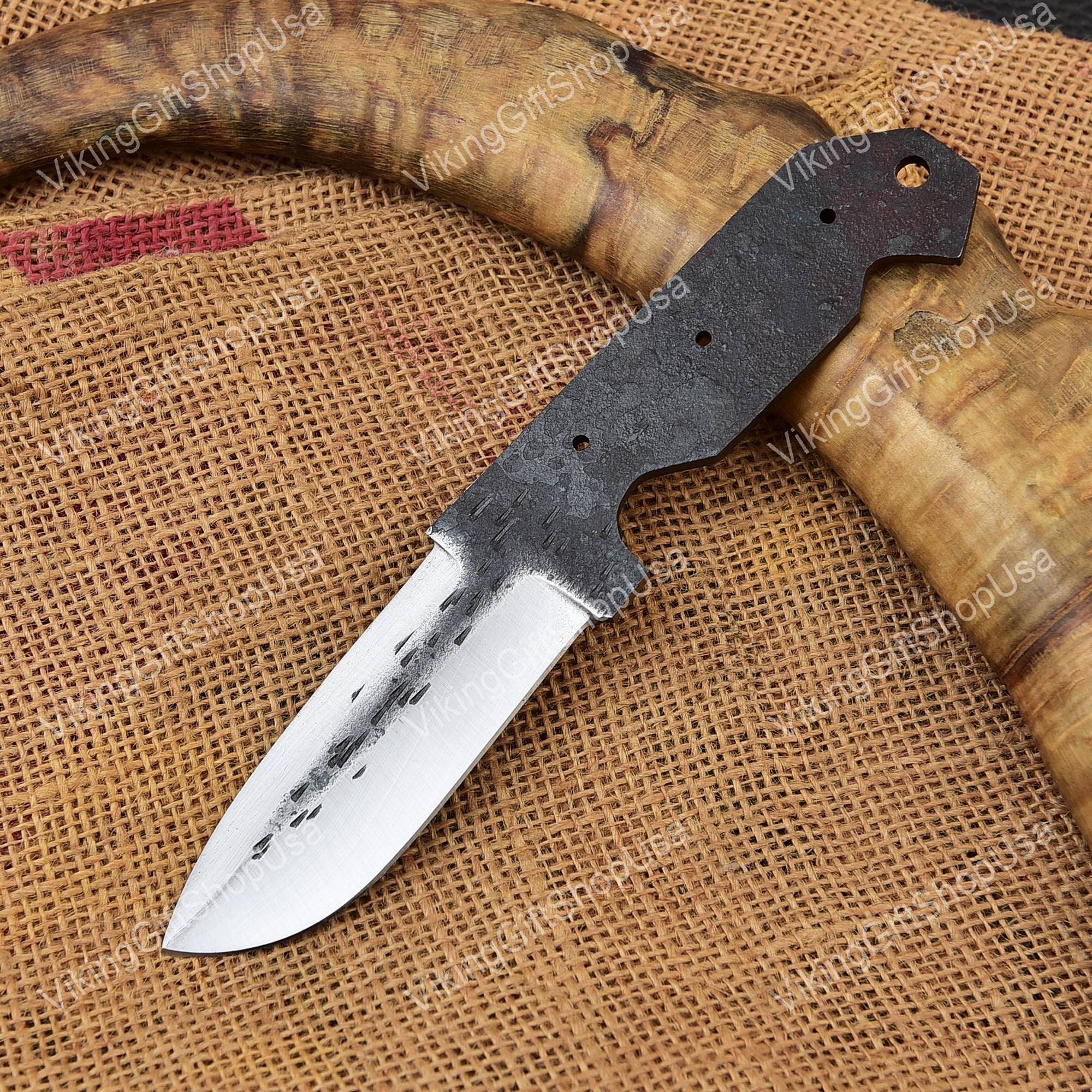
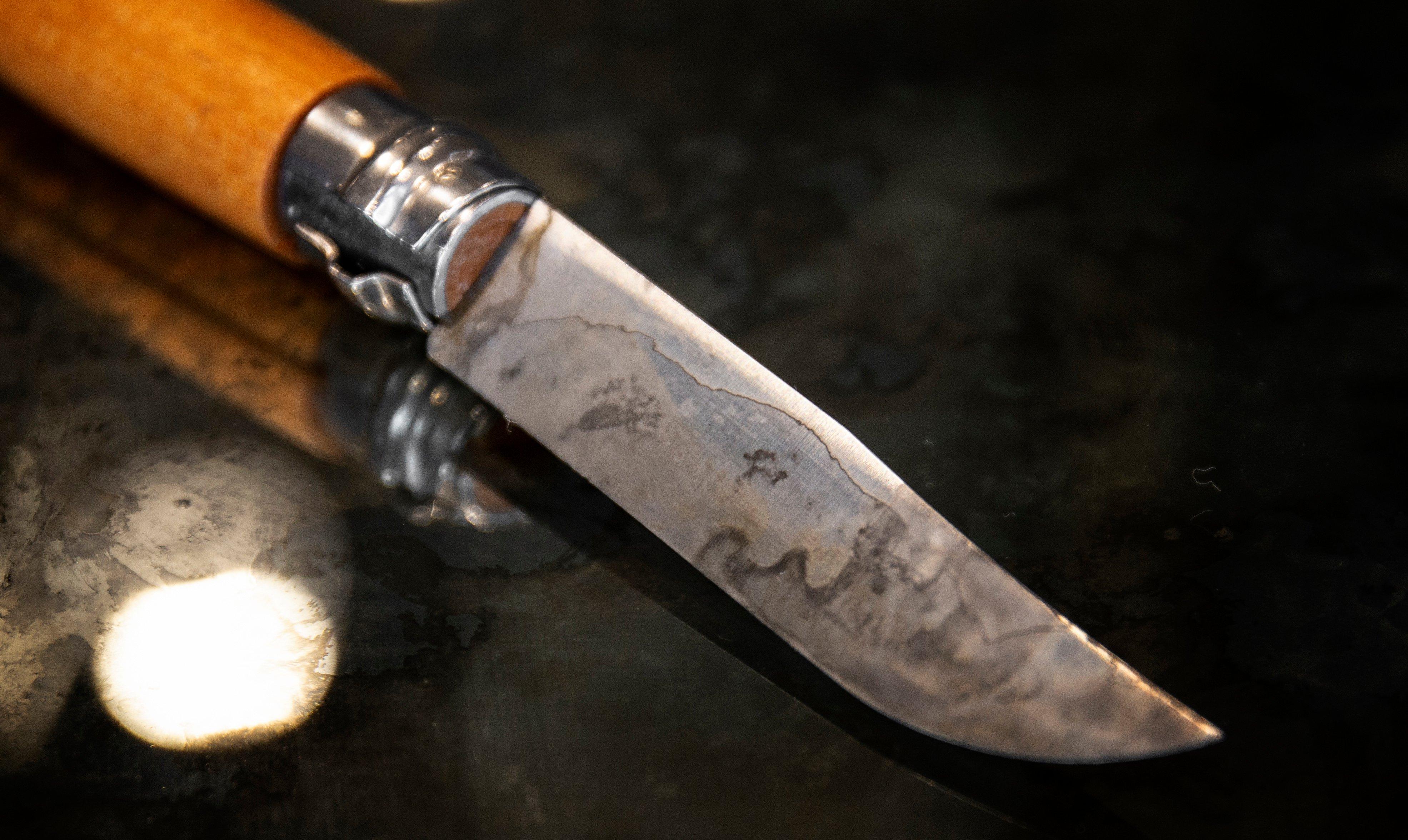
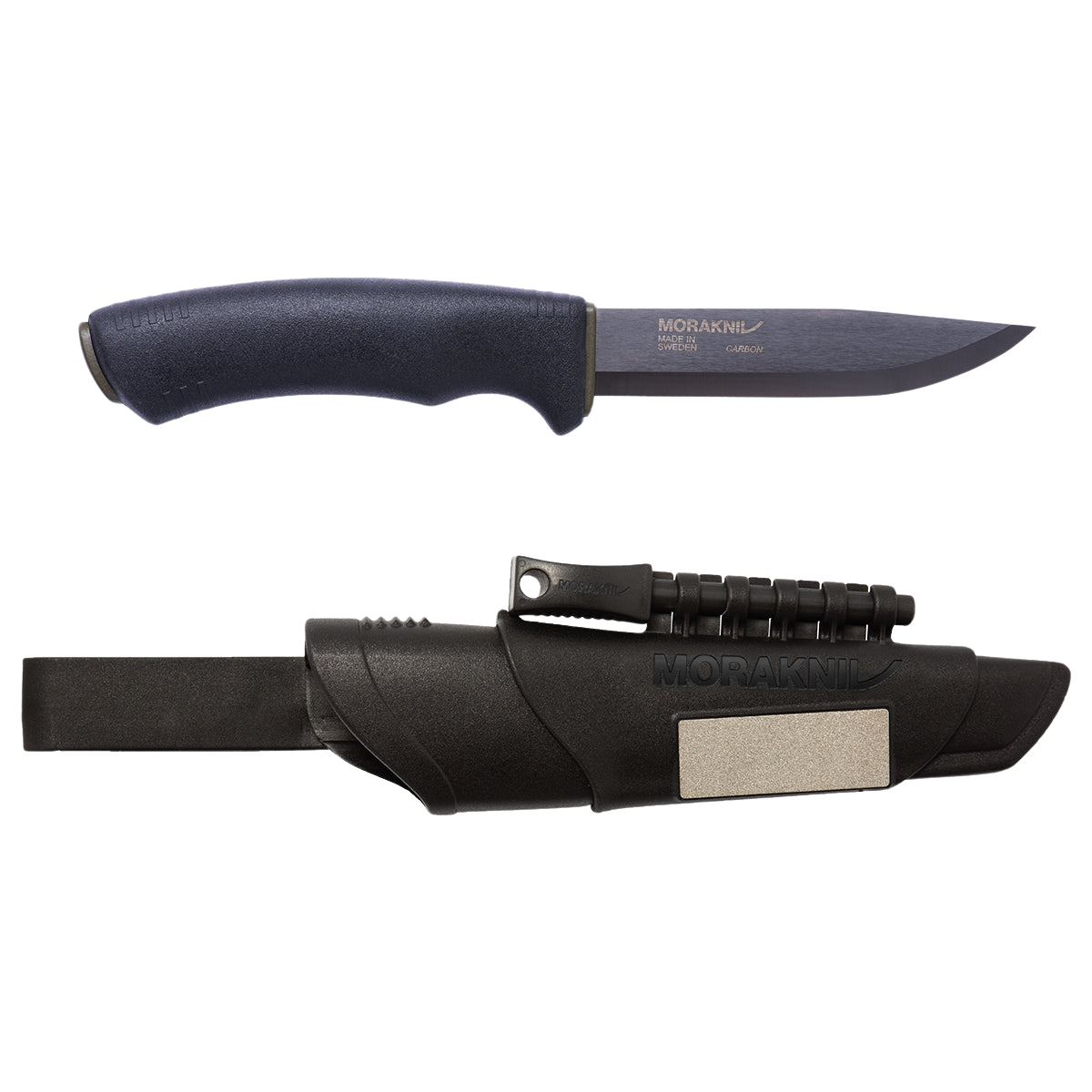

Examples: 1095 steel
Extremely tough
Easy to sharpen in the field
Excellent for heavy-duty use
Prone to rust
Requires oiling and maintenance
Develops a patina over time
Carbon steel is popular in bushcraft and survival knives from brands like ESEE because it performs reliably in tough conditions.
Best for: Bushcraft, survival, outdoor field work


Stainless steels contain at least 10.5% chromium, giving them strong corrosion resistance.
Rust resistant
Lower maintenance
Ideal for kitchen and EDC use
Some premium steels are harder to sharpen
Stainless steel is ideal for Australian humidity and coastal environments.
Best for: EDC knives, kitchen knives, hunting knives
Below are some of the most common blade steels you'll find in quality knives.
Type: High carbon steel
Best for: Bushcraft & survival
1095 steel is known for its toughness and ease of sharpening. It holds a good edge and is easy to maintain in the field.
Used by brands like ESEE in their hard-use survival knives.
✔ Very tough
✔ Easy to sharpen
✖ Requires rust prevention
Type: High carbon, high chromium (semi-stainless)
Best for: Work knives & EDC
D2 steel offers excellent wear resistance and strong edge retention.
✔ Holds edge longer than 1095
✔ More corrosion resistant than carbon steel
✖ Slightly harder to sharpen
Common in many folding knives and work blades.
Type: Swedish stainless steel
Best for: Everyday carry
14C28N offers a near-perfect balance between toughness, corrosion resistance, and edge retention.
Frequently used by Kershaw in EDC models.
✔ Excellent corrosion resistance
✔ Easy to sharpen
✔ Balanced performance
Type: Japanese stainless steel
Best for: Kitchen knives
VG-10 is known for high hardness and fine edge performance.
✔ Razor-sharp edge
✔ Great corrosion resistance
✖ Can be brittle if misused
Common in premium chef knives.
Type: Powder metallurgy stainless steel
Best for: Premium EDC knives
CPM S30V was designed specifically for knife blades. It offers outstanding edge retention and corrosion resistance.
Used in many high-end knives including select models from Buck Knives.
✔ Exceptional edge retention
✔ Strong corrosion resistance
✖ More difficult to sharpen
| Steel Type | Edge Retention | Corrosion Resistance | Toughness | Ease of Sharpening | Best Use |
|---|---|---|---|---|---|
| 1095 | Medium | Low | High | Easy | Bushcraft |
| D2 | High | Medium | Medium | Medium | EDC / Work |
| 14C28N | Medium-High | High | High | Easy | EDC |
| VG-10 | High | High | Medium | Medium | Kitchen |
| CPM S30V | Very High | High | Medium | Hard | Premium EDC |
There is no single “best knife steel.” The right choice depends on:
How often you use your knife
Your sharpening ability
Whether corrosion resistance matters
Whether toughness is more important than edge retention
For harsh Australian conditions:
Camping & Bushcraft: 1095 carbon steel
Hunting: D2 or stainless steel
Kitchen: VG-10 or premium stainless
Everyday Carry: 14C28N or CPM S30V
Two knives made from the same steel can perform very differently depending on heat treatment.
Premium brands like Fallkniven and Victorinox are known for consistent heat treatment processes that maximise blade performance.
At Outback Edge Imports, we stock carefully selected knives made from proven blade steels trusted worldwide.
Explore our collections:
EDC Knives
Hunting Knives
Bushcraft Knives
Kitchen Knives
Multitools
We ship Australia-wide and select steels suited to Australian environments.
D2 holds an edge longer and resists corrosion better. 1095 is tougher and easier to sharpen.
If you want premium edge retention and corrosion resistance in an EDC knife, yes.
Not necessarily. Hardness must be balanced with toughness.

THE SALE OF KNIVES AND OTHER CONTROLLED ITEMS TO MINORS IS PROHIBITED. 18 + only
Penalties apply.
Acceptable evidence of age may be required prior to finalising sale.
You are not old enough to visit the shop yet.