
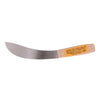
Dexter Russell Knives Australia: The Green River Traditional Range
, by Outback Edge Imports, 9 min reading time
, by Outback Edge Imports, 9 min reading time
A guide to the Dexter Russell Traditional (Green River) carbon-steel range — butcher, skinner, boning and field knives trusted by Australian farmers, hunters and home butchers.
For nearly two centuries the name Green River has meant a knife you can rely on. Long before stainless steel and synthetic handles, Dexter Russell’s Green River knives were the working blades of the American frontier — and the same Traditional carbon-steel range is still made today. In rural Australia, where a knife is a daily tool on the farm, in the paddock and at the camp, the Green River line has earned a quiet, loyal following for one simple reason: it cuts, it sharpens easily, and it lasts.
This guide explains the Dexter Russell Traditional (Green River) range, why high-carbon steel still makes sense for farmers, graziers, hunters and home butchers, and which knife suits which job. Everything featured here is in stock and dispatched from Yandina, QLD.
The Green River name goes back to 1834, when John Russell built a water-powered cutlery works on the banks of the Green River near Greenfield, Massachusetts. Russell paid higher wages than the English cutlers of the day to attract skilled European craftsmen, and by bringing every stage of manufacturing under one roof he could turn out large quantities of high-quality hunting and butcher knives — exactly what a westward-moving frontier needed.
As settlers and trappers pushed west through the 1840s, Russell’s Green River knives went with them. They became so trusted that the phrase “up to Green River” entered everyday language as a measure of quality — anything done “up to Green River” was first-rate, made properly, done right. Tens of thousands of the knives were shipped west every year.
That heritage lives on in Dexter Russell, the company formed from the two oldest cutlery makers in America — Harrington Cutlery (founded 1818) and the John Russell Cutlery Co (founded 1834). The Traditional range still carries the Green River blade profile, high-carbon DEXSTEEL® and hardwood handles, and it is still made in the USA. Buy a Green River knife and you are buying a working pattern that has been refined for almost 200 years.
The Traditional range is built around high-carbon steel rather than stainless, and for a working knife that is a genuine advantage on the land.
It takes a keener edge. High-carbon steel sharpens to a finer, more aggressive edge than most stainless, and it gets there faster. When you are breaking down a beast or skinning game, a keen edge means less effort and cleaner cuts.
It is easy to bring back. Carbon steel responds quickly to a steel or a stone, so a few strokes restores a working edge in the shed or out in the paddock — no specialised gear required.
It is honest value. You are paying for a proven blade and a hardwood handle, not a brand premium. Green River knives have always been working tools at a fair price, and that has not changed.
The one trade-off is care. Carbon steel develops a patina and can rust if left wet, so it needs a wipe-down and a light oil. For anyone already used to looking after gear on a farm that is second nature — and we cover it below.
The butcher knife is the heart of the Green River range — a deep-bellied blade that rocks through muscle and follows the curve of a carcase. The Traditional butcher comes in three lengths, so you can match the blade to the beast.

The 15cm is the small-job butcher — the right size for lamb, goat and lighter pork, and compact enough for camp and home processing. The deep Green River belly lets you rock through a leg or loin in a single stroke, and the high-carbon DEXSTEEL® blade takes the keen edge that smallgoods work demands. Traditional hardwood handle. If you keep one Green River butcher in the kit, most farmers start here.

The 20cm sits in the sweet spot for versatility — long enough for medium beef and large pork, short enough for controlled work on lamb and goat. This is the one-knife-does-most option for a farm or station that handles a bit of everything. Same Green River profile, same high-carbon steel and hardwood handle that has been doing the job for generations.

When you are breaking down full hindquarters or working through large beef primal cuts, the 30cm earns its place. The extra length means fewer strokes through thick muscle groups and less fatigue on a long run. This is the blade for whole-beast butchery and anyone processing cattle or large pigs at scale.
Beyond the butcher knives, the Green River range covers the jobs a working property throws up — skinning, boning, dressing game and handling fish.

The Green River skinner is the standard for livestock and game skinning in Australia. The upswept blade — shorter at the heel, rising to the tip — lets you work quickly under the hide without going through the gut wall. The high-carbon edge separates hide from membrane cleanly, and a quick touch-up brings it straight back. Used by processors, farmers and hunters across Queensland, NSW and WA. Pair it with the boning knife for a complete field-dressing kit. See our Best Hunting Knives guide for more.

A stiff, narrow 15cm blade for working around bone — tracing the spine, cleaning a rack, separating a joint with minimal waste. The carbon DEXSTEEL® takes a keener edge than stainless and resharpens faster, which matters when you are touching up every twenty minutes in a production run. The stiff blade gives precise control around the ball of a hip or shoulder. The natural partner to the butcher and skinner.

A compact fixed blade in the classic Green River pattern — the handy everyday knife for the ute, the shed or the belt. At 4½ inches it is big enough for real cutting work and small enough to carry without thinking about it, making it a sensible first Green River knife or a back-up to a larger blade. Practical, affordable, and built to be used.

A flexible 13cm blade for filleting and dressing fish — the right tool if your property runs to a river, a dam or the coast. The thin, keen carbon edge follows the backbone cleanly and trims with control. Wipe it down and oil it after a session and it will outlast a drawer full of cheaper blades.
Carbon steel is easy to sharpen, but it does ask to be kept up. A steel realigns the edge between uses; a stone or diamond rod resets it when it finally dulls. The green-handled Dexter Russell No Work steels are the traditional butcher’s companion to the Green River range.
For day-to-day upkeep, run the No Work Steel (Coarse) to quickly pull a fatigued edge back, then finish on the No Work Steel (Smooth) to polish it to working sharpness. The No Work Steel Set (coarse + smooth) pairs both at a better price. For a pocketable field option, the Dexter Russell EZ Edge Sharpener gives quick touch-ups anywhere. New to sharpening? Read our guide to steels, stones and strops.
Dexter Russell makes two families of working knife, and it is worth knowing which suits you. The Traditional (Green River) range is high-carbon DEXSTEEL® with hardwood handles — a keener edge, faster resharpening and traditional feel, with a little care needed to keep rust at bay. It is the natural choice for farm and station work, on-farm processing, hunting and home butchery.
The SANI-SAFE range is stainless DEXSTEEL® with textured, food-safe synthetic handles that are NSF-certified and dishwasher-safe. Stainless holds its edge a little longer and shrugs off moisture, which makes SANI-SAFE the better fit for commercial kitchens and wash-down facilities where hygiene rules and constant water are the priority. If you want the full breakdown, read our Carbon Steel vs Stainless Steel guide and our Best Butcher Knives guide.
Looking after carbon steel is simple and quickly becomes habit. Wipe the blade dry after every use — especially after contact with blood, fat, acidic foods or water. Apply a light film of food-safe or mineral oil before storage. Expect the blade to take on a grey patina over time; that is normal and actually helps protect the steel — it is not the same as the orange rust you get from leaving a blade wet. Store it dry, keep the hardwood handle out of prolonged soaking, and touch the edge up on a steel before it gets dull. Treated this way, a Green River knife will work for decades. For sharpening technique, see our complete guide to knife sharpening.
Farm and station all-rounder: the 20cm Butcher Knife + the 6-inch Skinner + a No Work Steel. Covers processing, skinning and day-to-day upkeep.
Hunter and paddock-to-plate: the 6-inch Skinner + the Stiff Boning Knife + the 4½-inch Sheath Knife, with the EZ Edge Sharpener for the field.
Home butcher and smallgoods: the 15cm Butcher Knife + the Stiff Boning Knife + the No Work Steel Set for coarse and smooth honing.
The full Traditional (Green River) range is in stock at Outback Edge’s Dexter Russell collection and our broader professional knives range — stocked in Yandina, QLD and dispatched across Australia. Trade and volume enquiries are welcome; if you are outfitting a team or buying for a property, call us on 0489 229 879 to talk pricing.
Sources: Dexter Russell Cutlery — Green River history; Smithsonian National Museum of American History — Green River Knife; Country Knives — Dexter-Russell brand history.

THE SALE OF KNIVES AND OTHER CONTROLLED ITEMS TO MINORS IS PROHIBITED. 18 + only
Penalties apply.
Acceptable evidence of age may be required prior to finalising sale.
You are not old enough to visit the shop yet.